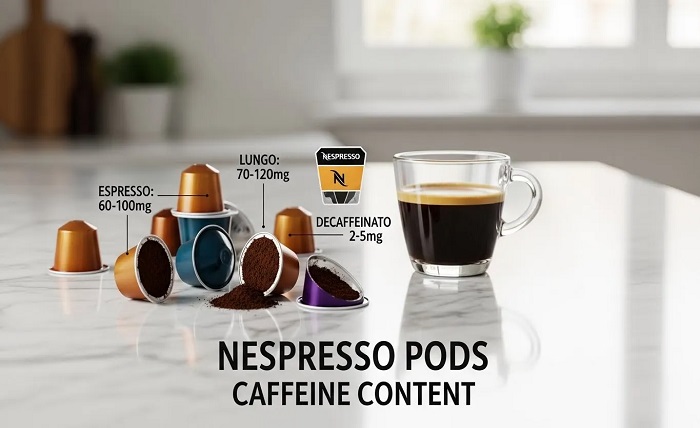
Understanding nespresso caffeine content is important for coffee lovers who want to manage their daily caffeine intake while still enjoying premium espresso drinks. Nespresso machines have become incredibly popular because they provide convenience, consistency, and café-quality coffee at home. However, many people are curious about how much caffeine is actually inside each capsule.
The topic of nespresso caffeine content matters because caffeine affects energy levels, focus, sleep quality, and overall health. Some Nespresso capsules contain surprisingly high amounts of caffeine, while others are designed for lighter coffee experiences or even decaffeinated options.
In this complete guide to nespresso caffeine content, you will learn how caffeine levels vary between OriginalLine and Vertuo capsules, how Nespresso compares to traditional coffee, and how to choose the best capsules for your lifestyle and caffeine preferences.
Nespresso Caffeine Content and How It Works
The first thing to understand about nespresso caffeine content is that caffeine levels depend on several factors, including the coffee bean type, roast level, serving size, and brewing method. Nespresso capsules are carefully designed to deliver consistent coffee flavor and caffeine strength with every brew.
Arabica beans usually contain less caffeine than Robusta beans. Because of this, many capsules with higher nespresso caffeine content include Robusta blends to increase intensity and caffeine levels. Capsules marketed as “intense” often combine darker roasting with stronger caffeine concentration.
Another factor influencing nespresso caffeine content is the cup size. Espresso capsules generally contain less caffeine overall because they use smaller serving volumes, while larger Vertuo mugs may contain more caffeine simply because they brew more coffee.
Nespresso machines use high-pressure extraction systems, which maximize flavor and efficiently extract caffeine from the coffee grounds. This extraction process contributes to the smooth taste and reliable nespresso caffeine content found across different capsule varieties.
Understanding these basics helps coffee drinkers choose capsules that align with their energy needs and daily caffeine tolerance.
Nespresso Caffeine Content in OriginalLine Capsules
When discussing nespresso caffeine content, OriginalLine capsules are among the most commonly used products. These capsules are designed primarily for espresso and lungo drinks.
Most OriginalLine espresso capsules contain between 50 and 80 milligrams of caffeine per serving. However, some capsules with stronger blends can exceed these levels.
Examples of common nespresso caffeine content in OriginalLine capsules include:
- Kazaar: Around 120 mg caffeine
- Arpeggio: Around 63 mg caffeine
- Roma: Around 53 mg caffeine
- Livanto: Around 64 mg caffeine
- Ristretto: Around 75 mg caffeine
Lungo capsules generally contain slightly higher nespresso caffeine content because they use more water and sometimes larger coffee quantities. Capsules like Fortissio Lungo may contain over 100 mg of caffeine.
Many coffee drinkers assume darker roasts automatically contain more caffeine. In reality, nespresso caffeine content depends more on bean composition and serving size than roast darkness alone.
OriginalLine capsules are ideal for people who enjoy concentrated espresso shots with moderate caffeine levels. Their smaller serving sizes make it easier to control daily caffeine consumption.
Nespresso Caffeine Content in Vertuo Capsules
Vertuo machines have expanded the conversation around nespresso caffeine content because these capsules offer larger coffee servings and different brewing technologies.
Vertuo capsules use barcode scanning technology to optimize brewing settings for each capsule type. Since Vertuo coffees often produce larger cup sizes, they may contain significantly more nespresso caffeine content compared to OriginalLine capsules.
Typical Vertuo caffeine ranges include:
- Espresso capsules: 60–100 mg
- Double espresso capsules: 120–200 mg
- Gran Lungo capsules: 120–160 mg
- Mug-size coffee capsules: 170–230 mg
Some Vertuo coffee capsules contain caffeine levels similar to large café drinks. This higher nespresso caffeine content appeals to people who want stronger energy boosts in the morning.
Popular Vertuo capsules and their approximate caffeine levels include:
- Stormio: Around 170 mg
- Odacio: Around 165 mg
- Melozio: Around 170 mg
- Diavolitto: Around 150 mg
- Altissio: Around 70 mg
Because Vertuo drinks are larger, consumers should monitor nespresso caffeine content carefully if they are sensitive to caffeine or drink multiple cups per day.
Comparing Nespresso Caffeine Content to Regular Coffee
Many people wonder how nespresso caffeine content compares to regular drip coffee or café beverages. The answer depends on serving size and coffee preparation method.
A standard 8-ounce cup of drip coffee usually contains between 90 and 150 mg of caffeine. In comparison, espresso-style nespresso caffeine content often appears lower because espresso servings are smaller.
However, ounce for ounce, espresso actually contains more concentrated caffeine. This means nespresso caffeine content can deliver strong stimulation in a much smaller serving volume.
Compared to café drinks:
- A single Starbucks espresso shot contains about 75 mg caffeine.
- Many OriginalLine capsules contain similar caffeine levels.
- Large Vertuo coffees can equal or exceed standard coffee shop beverages.
Energy drinks also differ significantly from nespresso caffeine content because they often include sugar, stimulants, and artificial additives. Nespresso capsules provide a cleaner coffee-based caffeine source.
For many consumers, nespresso caffeine content offers an ideal balance between convenience, taste, and manageable caffeine intake.
Health Effects of Nespresso Caffeine Content
Understanding the health effects of nespresso caffeine content is important for maintaining balanced coffee consumption habits.
Moderate caffeine intake can provide several benefits:
- Increased alertness
- Improved concentration
- Enhanced physical performance
- Better mood
- Reduced fatigue
Because of these benefits, many people rely on nespresso caffeine content as part of their daily productivity routine.
However, excessive caffeine intake may lead to:
- Insomnia
- Anxiety
- Rapid heartbeat
- Digestive discomfort
- Restlessness
The FDA generally recommends limiting caffeine intake to around 400 mg daily for healthy adults. Monitoring nespresso caffeine content helps users stay within recommended limits.
Pregnant individuals and caffeine-sensitive consumers may need to choose lower-caffeine capsules or decaffeinated options. Fortunately, Nespresso offers several decaf varieties with minimal nespresso caffeine content while preserving flavor quality.
Timing also matters. Drinking capsules with high nespresso caffeine content late in the evening may interfere with sleep quality and recovery.
Moderation and awareness are key to enjoying Nespresso coffee responsibly.
Decaf and Low Nespresso Caffeine Content Options
Not everyone wants strong nespresso caffeine content, which is why Nespresso offers a variety of decaffeinated and low-caffeine capsules.
Decaf capsules typically contain less than 5 mg of caffeine per serving. This allows coffee lovers to enjoy espresso flavor without experiencing strong stimulant effects.
Popular decaf options with low nespresso caffeine content include:
- Arpeggio Decaffeinato
- Volluto Decaffeinato
- Ristretto Decaffeinato
- Altissio Decaffeinato
Some consumers mistakenly believe decaf coffee contains zero caffeine. In reality, even decaf nespresso caffeine content includes small trace amounts, although these levels are usually insignificant.
Low-caffeine capsules are perfect for:
- Evening coffee drinking
- Pregnant individuals
- People sensitive to caffeine
- Those reducing stimulant intake
Balancing regular and decaf capsules is a smart strategy for managing daily nespresso caffeine content without giving up coffee enjoyment.
Nespresso also maintains high flavor quality in decaf capsules through advanced decaffeination methods that preserve aroma and body.
Tips for Managing Nespresso Caffeine Content Daily
Managing nespresso caffeine content effectively can improve energy levels, sleep quality, and overall wellness.
One of the best strategies is tracking how much caffeine you consume daily. Many people underestimate their intake when drinking multiple capsules throughout the day.
Helpful tips for controlling nespresso caffeine content include:
Choose Smaller Serving Sizes
Espresso capsules generally contain lower total caffeine than large mug-size capsules.
Alternate with Decaf
Mixing regular and decaf capsules reduces total daily nespresso caffeine content while maintaining coffee rituals.
Avoid Late-Night Consumption
Consuming caffeine late in the evening may disrupt sleep patterns.
Read Capsule Information
Nespresso often provides caffeine details online for each capsule type.
Stay Hydrated
Caffeine can contribute to dehydration, so water intake is important.
Understand Your Tolerance
Everyone processes caffeine differently. Your ideal nespresso caffeine content level may differ from someone else’s.
By making informed choices, coffee lovers can enjoy Nespresso beverages while avoiding unwanted side effects.
Why Nespresso Caffeine Content Varies Between Capsules
One fascinating aspect of nespresso caffeine content is the wide variation between capsule types. Several production factors contribute to these differences.
Coffee Bean Variety
Robusta beans naturally contain more caffeine than Arabica beans.
Coffee Quantity
Larger capsules often contain more ground coffee, increasing total caffeine.
Brewing Style
Different extraction methods influence nespresso caffeine content and flavor concentration.
Blend Formulation
Nespresso carefully designs blends to create unique taste and caffeine experiences.
Capsule Purpose
Espresso capsules prioritize intensity, while mug-size capsules focus on longer drinking experiences.
Understanding why nespresso caffeine content varies helps consumers select capsules that suit their personal preferences and energy needs.
This variety is one reason why Nespresso remains popular among coffee enthusiasts worldwide.
Conclusion
Understanding nespresso caffeine content allows coffee drinkers to make smarter choices about their daily caffeine intake while still enjoying premium coffee experiences. From OriginalLine espresso capsules to larger Vertuo coffee servings, Nespresso offers a wide range of caffeine levels suitable for different lifestyles and preferences.
The key to managing nespresso caffeine content is knowing which capsules contain higher caffeine levels, monitoring daily consumption, and balancing regular coffee with decaf alternatives when necessary.
Whether you prefer strong morning espresso shots or lighter evening coffee, Nespresso provides flexible options for every caffeine tolerance level. By learning more about nespresso caffeine content, you can enjoy better energy management, improved coffee experiences, and healthier caffeine habits.
FAQs
1. How much caffeine is in Nespresso capsules?
The average nespresso caffeine content ranges from 50 mg to over 200 mg depending on the capsule type, serving size, and blend composition.
2. Which Nespresso capsule has the highest caffeine content?
Capsules like Kazaar and certain Vertuo mug-size coffees contain some of the highest nespresso caffeine content available in the Nespresso lineup.
3. Is Nespresso caffeine content stronger than regular coffee?
Some nespresso caffeine content levels are comparable to or stronger than regular coffee, especially in larger Vertuo capsules. Espresso capsules are more concentrated but served in smaller sizes.
4. Does decaf Nespresso contain caffeine?
Yes, decaf nespresso caffeine content still includes small trace amounts of caffeine, usually less than 5 mg per capsule.
5. How can I reduce my Nespresso caffeine content intake?
You can lower nespresso caffeine content intake by choosing smaller espresso capsules, switching to decaf options, and limiting the number of capsules consumed daily.