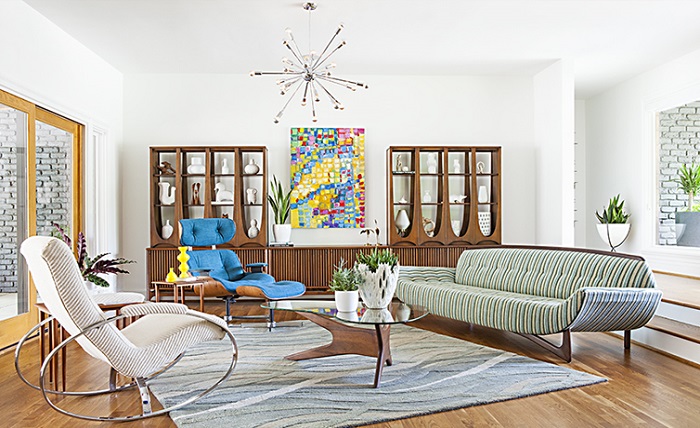
The conversation pit first emerged in the mid-20th century as architects experimented with sunken living room designs that encouraged social interaction. The conversation pit became especially popular in the 1950s through the 1970s, influenced by modernist designers who wanted to break away from rigid, formal furniture arrangements. Early conversation pit designs were often found in luxury homes, hotels, and experimental architectural spaces.
The conversation pit was typically built as a lowered section of the floor with built-in seating cushions, creating a cozy, enclosed environment for dialogue. Designers believed the conversation pit would bring people closer together by removing physical barriers like chairs and tables. In many ways, the conversation pit reflected the era’s optimism about community-centered living and innovative architecture.
During its peak, the conversation pit was seen as a symbol of sophistication and modern taste. However, as interior design trends shifted toward minimalism and open floor plans in the 1980s and 1990s, the conversation pit slowly faded from mainstream popularity. Still, the conversation pit remained an iconic representation of retro design culture.
Why conversation pit became popular
The conversation pit became popular because it fundamentally changed how people interacted within a living space. Instead of sitting in rows of furniture facing a television, the conversation pit encouraged face-to-face communication. This made the conversation pit ideal for social gatherings, parties, and intimate conversations.
Another reason the conversation pit gained popularity was its architectural uniqueness. The conversation pit created a visual focal point in homes, making spaces feel more dynamic and engaging. Designers loved how the conversation pit broke the monotony of flat floor plans and added depth to interiors.
Additionally, the conversation pit aligned with the mid-century modern design movement, which emphasized clean lines, functionality, and integration with nature. Large windows often surrounded a conversation pit, allowing natural light to enhance its inviting atmosphere. As a result, the conversation pit became a hallmark of stylish, forward-thinking homes.
Modern interior design resurgence of conversation pit
In recent years, the conversation pit has made a strong comeback in modern interior design. Many homeowners and designers are rediscovering the charm of the conversation pit as they seek to create warm, social spaces in an increasingly digital world. The conversation pit is now seen as both nostalgic and innovative.
Modern architects reinterpret the conversation pit using contemporary materials like polished concrete, modular seating, and minimalist lighting. The updated conversation pit often blends seamlessly with open-concept layouts while still maintaining its signature sunken design. This modern conversation pit appeals to both retro enthusiasts and new-age designers.
Social media platforms have also contributed to the revival of the conversation pit, with design influencers showcasing stylish versions of the conversation pit in luxury homes and boutique spaces. The conversation pit is no longer just a retro feature—it has become a statement piece in modern architecture.
How to design a conversation pit at home
Designing a conversation pit at home requires careful planning to ensure both functionality and safety. The first step in creating a conversation pit is determining the location and available floor space. A well-designed conversation pit should feel integrated into the home rather than forced into it.
Next, depth and seating layout are essential considerations for a conversation pit. Most conversation pit designs include built-in benches or cushioned seating that wraps around the space. The conversation pit should encourage eye-level interaction, making conversations more natural and engaging.
Lighting also plays a crucial role in a conversation pit design. Soft, ambient lighting enhances the cozy atmosphere of a conversation pit, while recessed lighting can highlight its architectural structure. When planned properly, a conversation pit becomes the heart of the home.
Materials and furniture ideas for conversation pit
Choosing the right materials is key to creating a comfortable and stylish conversation pit. Many designers use wood paneling, stone, or carpeted finishes to make the conversation pit feel warm and inviting. A well-designed conversation pit often blends textures for visual interest.
Furniture in a conversation pit is usually built-in or modular. Cushions, low sofas, and upholstered seating are common choices for a conversation pit, ensuring comfort without obstructing the open design. The conversation pit can also include central tables or fire features for added functionality.
Color schemes in a conversation pit tend to be earthy and neutral, helping the space feel grounded and cohesive. However, bold accents can also be used in a conversation pit to create a more dramatic aesthetic. Ultimately, the materials chosen define the personality of the conversation pit.
Pros and cons of conversation pit living spaces
The conversation pit offers several advantages that make it appealing to homeowners. One major benefit of a conversation pit is its ability to foster social interaction. The design of the conversation pit naturally encourages people to sit together and engage in conversation.
Another advantage of the conversation pit is its aesthetic appeal. A well-designed conversation pit adds architectural interest and uniqueness to any home. The conversation pit also creates a cozy, enclosed environment that many people find relaxing and comfortable.
However, the conversation pit also has some drawbacks. Accessibility can be an issue, especially for elderly individuals or those with mobility challenges in a conversation pit. Additionally, modifying or removing a conversation pit can be costly due to its structural nature. Despite these challenges, the conversation pit remains a desirable design feature for many.
Styling and decorating tips for conversation pit
Styling a conversation pit involves balancing comfort, aesthetics, and functionality. One effective approach is layering soft textiles such as cushions, rugs, and throws within the conversation pit. This makes the conversation pit feel inviting and lived-in.
Lighting is another important factor when styling a conversation pit. Warm lighting fixtures, floor lamps, or hidden LED strips can enhance the mood of a conversation pit. Proper lighting ensures the conversation pit remains visually appealing both day and night.
Decorative elements like plants, artwork, and coffee tables can also elevate a conversation pit. However, it is important not to overcrowd the conversation pit, as simplicity is key to maintaining its open and social feel. A well-styled conversation pit becomes a perfect blend of design and comfort.
Conclusion
The conversation pit has evolved from a mid-century design experiment into a timeless architectural feature that continues to inspire modern interiors. Today, the conversation pit represents more than just a seating arrangement—it symbolizes connection, comfort, and thoughtful design. As homes become more focused on shared experiences, the conversation pit is likely to remain relevant for years to come.
Whether restored from vintage homes or newly built in modern spaces, the conversation pit continues to bridge the gap between past and present design philosophies. Its ability to bring people together ensures that the conversation pit will always hold a special place in interior design history.
FAQs
1.What is a conversation pit?
A conversation pit is a sunken seating area in a room designed to encourage social interaction and face-to-face communication in a cozy setting.
2.Are conversation pits still popular today?
Yes, the conversation pit is experiencing a modern revival as designers reintroduce it into contemporary homes and luxury interiors.
3.Is a conversation pit expensive to build?
A conversation pit can be costly depending on structural changes, materials, and custom seating design required for installation.
4.Can you add a conversation pit to an existing home?
Yes, but adding a conversation pit to an existing home may require significant renovation and architectural adjustments.
5.What makes a conversation pit unique?
The conversation pit is unique because of its sunken design, which creates an intimate, social environment unlike traditional living room layouts.